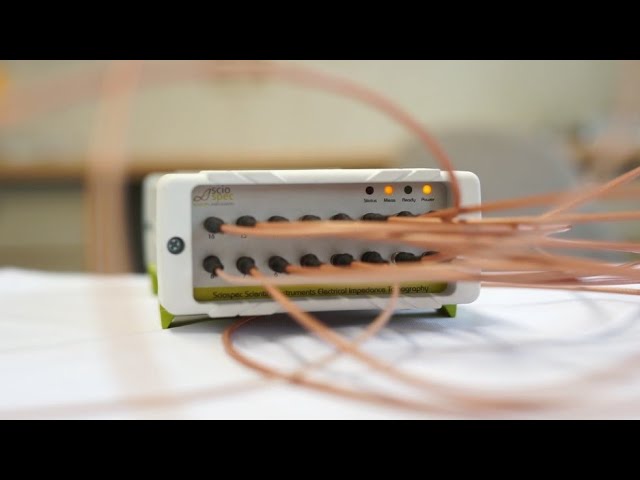
LCR meters, designed for measuring the inductance (L), capacitance (C), and resistance (R) of electronic components, have evolved with advanced features to meet the demands of modern electronic testing. These sophisticated instruments go beyond basic measurements, offering capabilities that enhance efficiency, precision, and versatility. This exploration delves into the advanced features found in modern LCR meters, highlighting their significance in various applications and testing scenarios.
1. Automatic Component Identification:
- Pros:
- Streamlines testing processes by automatically identifying the type of component (inductor, capacitor, or resistor).
- Reduces manual input errors and enhances overall testing efficiency.
- Cons:
- May require careful calibration to ensure accurate component identification.
- Performance might vary based on the complexity of components.
2. Fixture Compensation:
- Pros:
- Compensates for the impact of fixtures and cables on measurement accuracy.
- Improves the reliability of measurements in setups involving external connections.
- Cons:
- Requires proper calibration and setup to achieve optimal results.
- May add complexity to the measurement process.
3. Multi-Channel Measurements:
- Pros:
- Enables simultaneous measurement of multiple components or parameters.
- Enhances efficiency in applications where numerous measurements are required.
- Cons:
- Increased cost and complexity compared to single-channel meters.
- May be more suitable for high-throughput environments.
4. Temperature and Frequency Sweeps:
- Pros:
- Allows for measurements across a range of temperatures and frequencies.
- Essential for applications where component characteristics vary with temperature or frequency.
- Cons:
- Adds complexity to testing setups.
- May require additional equipment for precise temperature control.
5. Integration with Automated Systems:
- Pros:
- Facilitates integration into automated testing setups.
- Supports high-throughput testing in manufacturing environments.
- Cons:
- Initial setup and programming may be more complex.
- Requires compatibility with automation protocols.
6. Graphical User Interface (GUI) and Touchscreen Controls:
- Pros:
- Enhances user experience with intuitive controls.
- Provides a visual representation of measurement data for quick analysis.
- Cons:
- Touchscreen interfaces may require careful calibration.
- Susceptible to wear and damage over time.
7. Data Logging and Storage:
- Pros:
- Allows for the storage of measurement data for future analysis.
- Supports documentation and traceability of measurements.
- Cons:
- Requires sufficient storage capacity.
- Data security and management considerations.
8. Impedance Analysis:
- Pros:
- Provides detailed insights into the complex impedance of components.
- Essential for advanced applications such as material characterization.
- Cons:
- Requires a good understanding of impedance concepts.
- May be more complex for users focused on basic measurements.
9. Advanced Connectivity Options:
- Pros:
- Offers USB, LAN, or Bluetooth connectivity for data transfer and remote control.
- Facilitates integration with other laboratory equipment.
- Cons:
- Security considerations for network-connected devices.
- Compatibility with existing systems may vary.
10. User-Defined Test Sequences:
- Pros:
- Allows users to define custom test sequences for specific applications.
- Enhances flexibility in testing setups.
- Cons:
- Requires a good understanding of the instrument’s programming capabilities.
- May not be necessary for routine measurements.
In conclusion, modern LCR meters come equipped with a range of advanced features that cater to the diverse needs of electronic testing and component analysis. While these features enhance capabilities, users should carefully consider the specific requirements of their applications, the complexity of testing setups, and the level of expertise available to make informed decisions about incorporating advanced features into their workflows.